Is Your Data Secure? How to Prevent Data Breaches from Vendors

Cybersecurity
0
min read
Apr 30, 2026
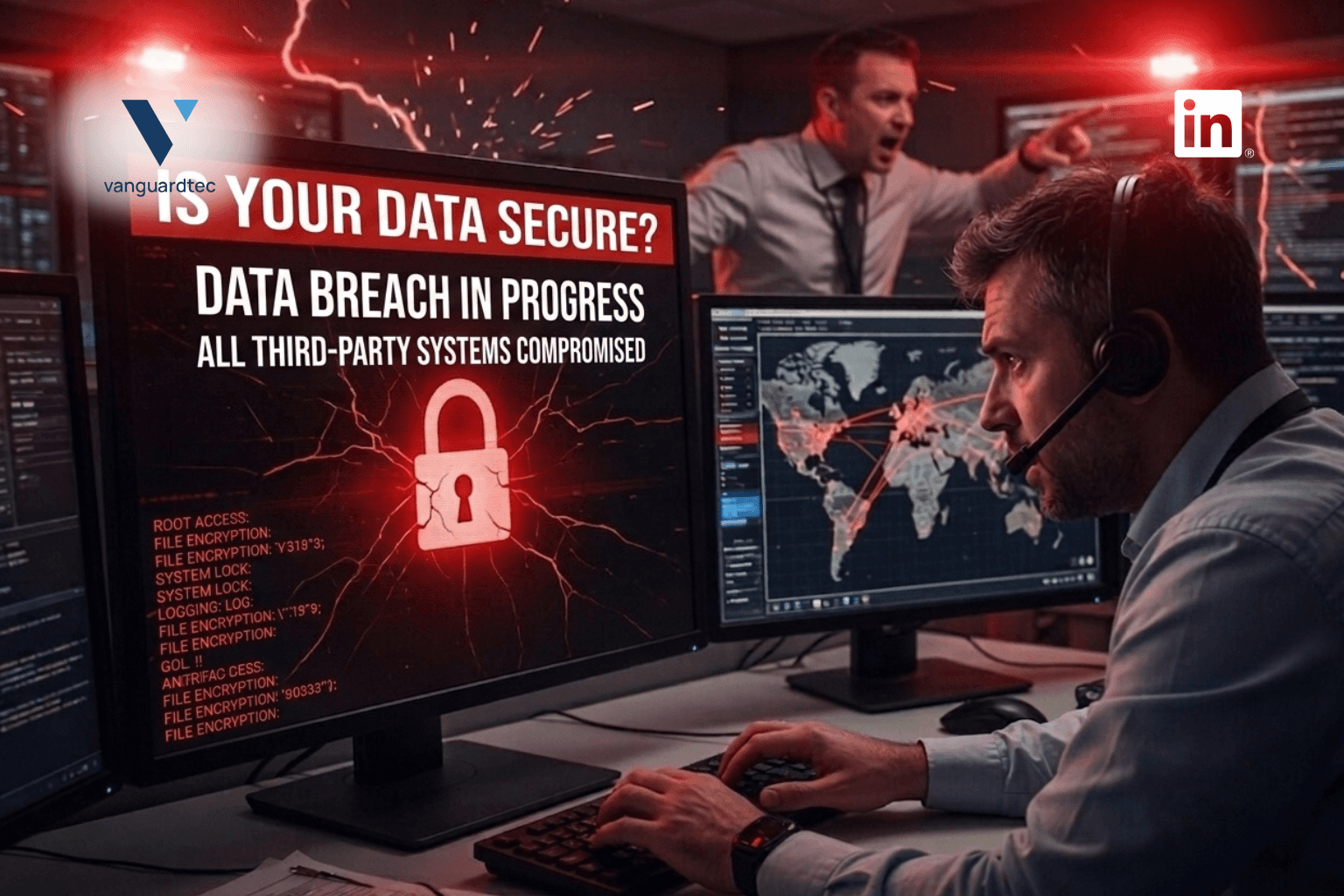
The Invisible Door
You’ve invested in the best firewalls.
Your internal team follows every protocol.
Your systems are locked down.
But there is an invisible door left wide open: Your Vendors.
This is where third-party risk becomes a direct cybersecurity threat.
The Hard Truth
A breach at your vendor is effectively a breach at your company.
When you share data with a third party, you aren't just sharing a file.
You are sharing your reputation.
If their security fails, your customers won't blame the vendor.
They will blame the brand they trusted: You.
Why Vendors are the Primary Target
Hackers are looking for the path of least resistance.
Why try to break into a high-security enterprise directly?
It's much easier to target a smaller partner with:
❌ Outdated software
❌ Loose access controls
❌ Limited security oversight
Once they are in the vendor's system, they have a “trusted” path straight to your data.
The Illusion of 'Onboarding'
Security shouldn't end once the contract is signed.
✔️ Compliance checked
✔️ Contract signed
✔️ Vendor onboarded
Many think the job is done.
But risk doesn’t stay static—it evolves with every system update, access change, and missed patch.
A secure vendor today can become a liability tomorrow due to a single unpatched system.
Practical Steps to Secure Your Data
To protect your business, focus on these fundamental shifts:
🔹 The 'Need-to-Know' Rule
Never provide unrestricted access.
Give vendors the minimum amount of data required to perform their specific task.
If they don't have it, they can't lose it.
🔹 Verify, Don’t Just Ask
Don't rely only on self-reported questionnaires.
Look for independent audit reports (like SOC2 or ISO certificates).
Real-world evidence is better than a promised policy.
🔹 The 'Kill Switch' Protocol
What happens when a partnership ends?
Have a defined process to instantly revoke all digital access.
"Ghost access" from former vendors is one of the most common causes of data leaks.
🔹 Encryption is Mandatory
Ensure data is encrypted at all times—not just while stored, but especially while it is being transferred to the vendor.
The Core Shift
The old approach was built on "Trust."
The modern approach is built on continuous verification and zero implicit trust.
Final Thought
Data security is no longer just an IT checklist.
It’s a promise you make to your clients and partners.
Don’t let a third-party oversight become your biggest business setback.
The real question isn’t whether a breach can happen —
it’s whether you can prevent it before your vendor becomes the entry point.
💬 Let’s discuss:
In your experience, what is the biggest challenge in monitoring vendor security?
Latest Articles
Stay informed with the latest guides and news.